

How To Learn To Draw Anatomy
Best exercise advice for capturing human beefcake
Drawing the human torso without some noesis of beefcake is similar playing a board game without the rule book and some key pieces missing: It's frustrating and disruptive. After you learn all the rules and get good at the game, you tin can change the rules. Merely that's because you understand the dynamics of the game and yous tin can change things to improve it.
Being confident with beefcake makes cartoon easier and more than fun! In this workshop, I'll give you some advice to guide your anatomy studies, so you lot can learn how to draw people accurately, and with confidence.
01. Think first, then draw
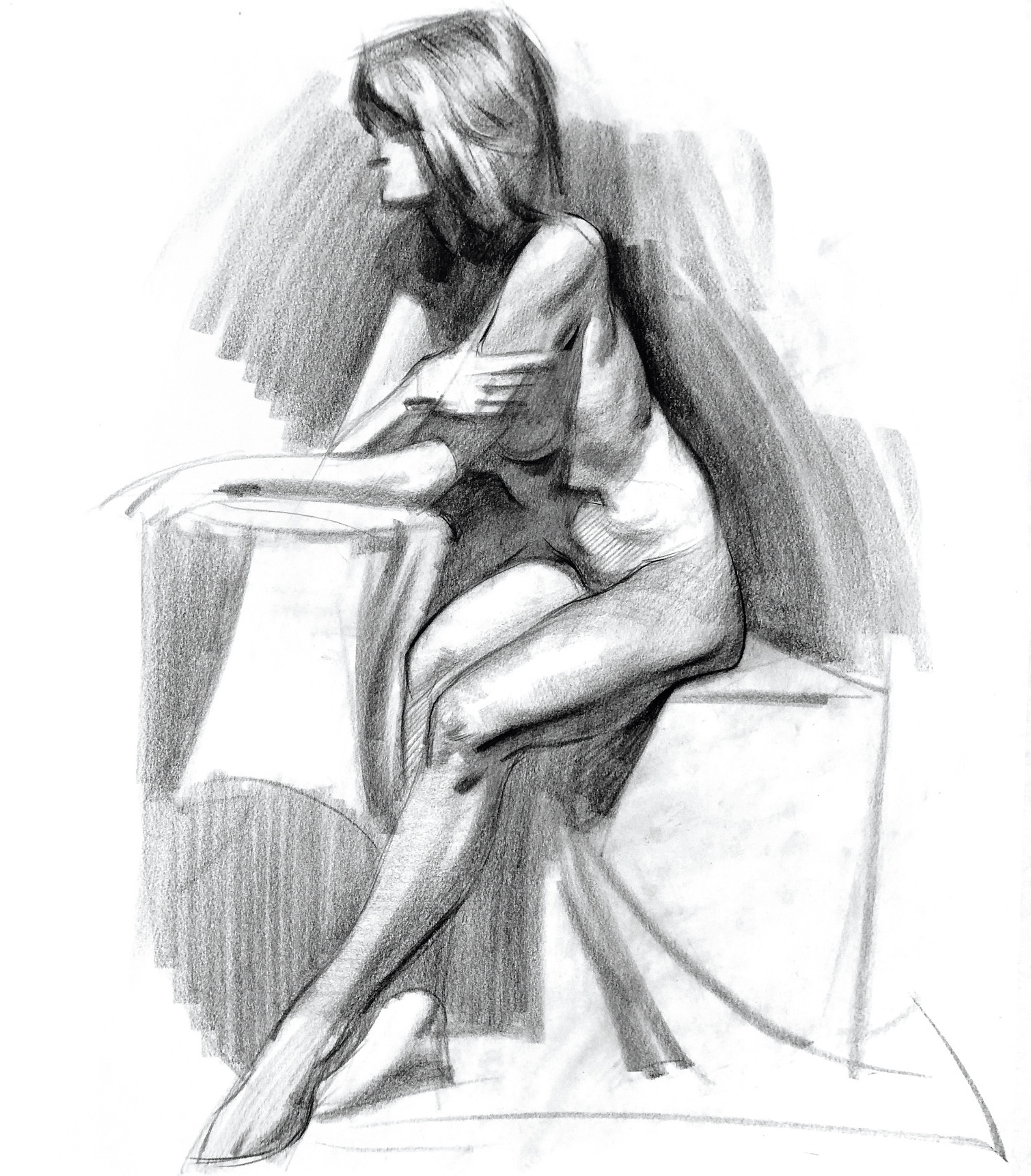
Anatomy is very specific and the difference between a drawing that'southward 'right' and a drawing that's 'wrong' tin can exist subtle. If your drawings are scribble-like and you don't commit to whatsoever one line, your brain is decorated simply processing the epitome, so it won't notice anatomical mistakes. If you're studying anatomy, you should have a proficient foundation in basic drawing skills already, and you should utilise it.
02. Ignore gesture at your peril
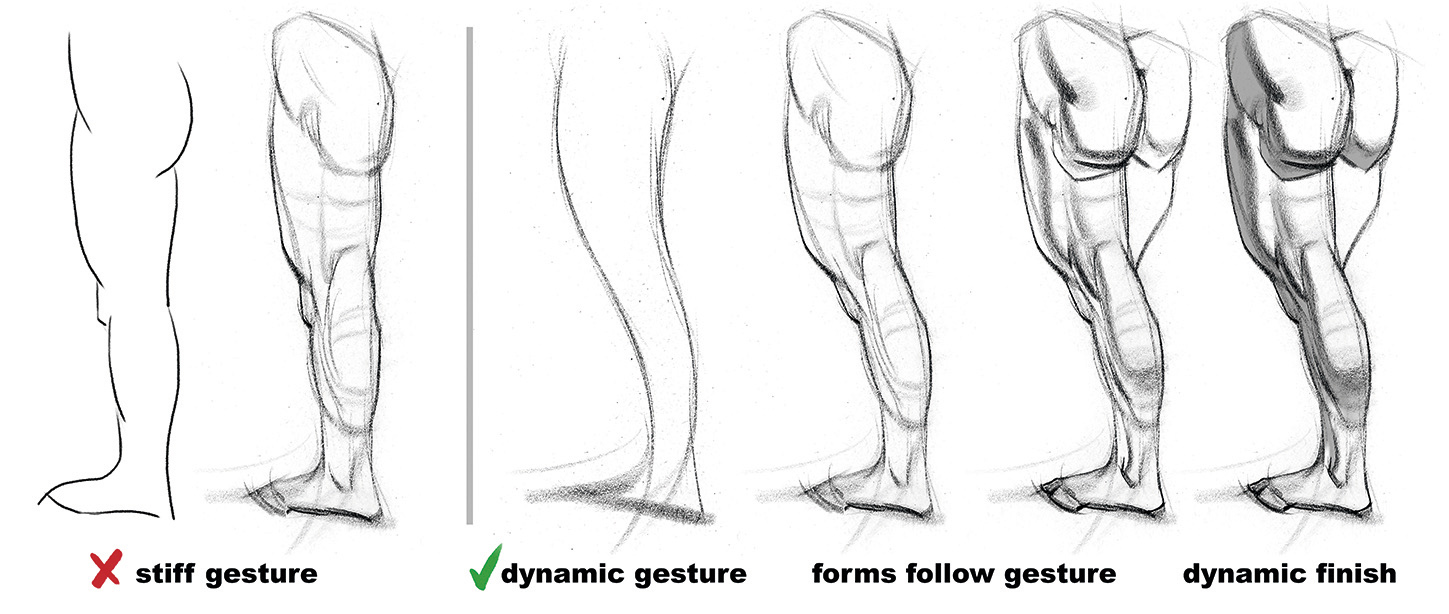
Gesture lies at the heart of every figure drawing. Anatomy should be a new layer, and a new way to express gesture… not a replacement for it. The anatomical forms should be designed to follow and reveal the gesture.
03. Memorise the simple forms
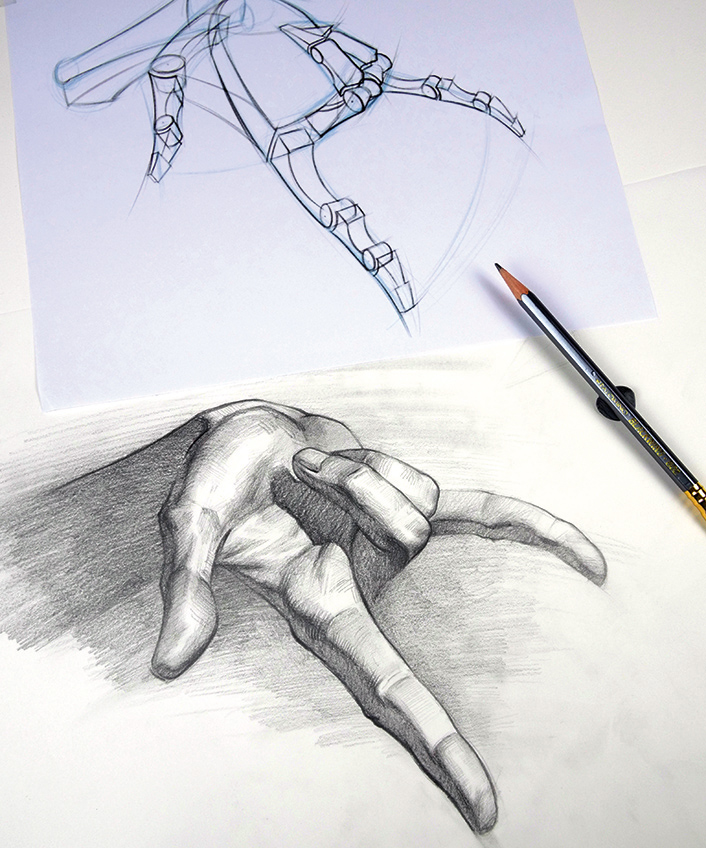
The human body is organic. Information technology'southward full of curves, bumps and mushy-looking things. Only your drawings shouldn't expect mushy. You can try to re-create exactly what y'all come across, merely if the agreement and accuracy isn't there, then it volition testify.
A better approach is to learn to break down the body into simple forms. This is why I teach the simple form for all areas of the body. Simple forms are unproblematic enough that you can actually memorise them, and pull them out of your pocket whenever you demand to.
04. Pay attending to the skeleton
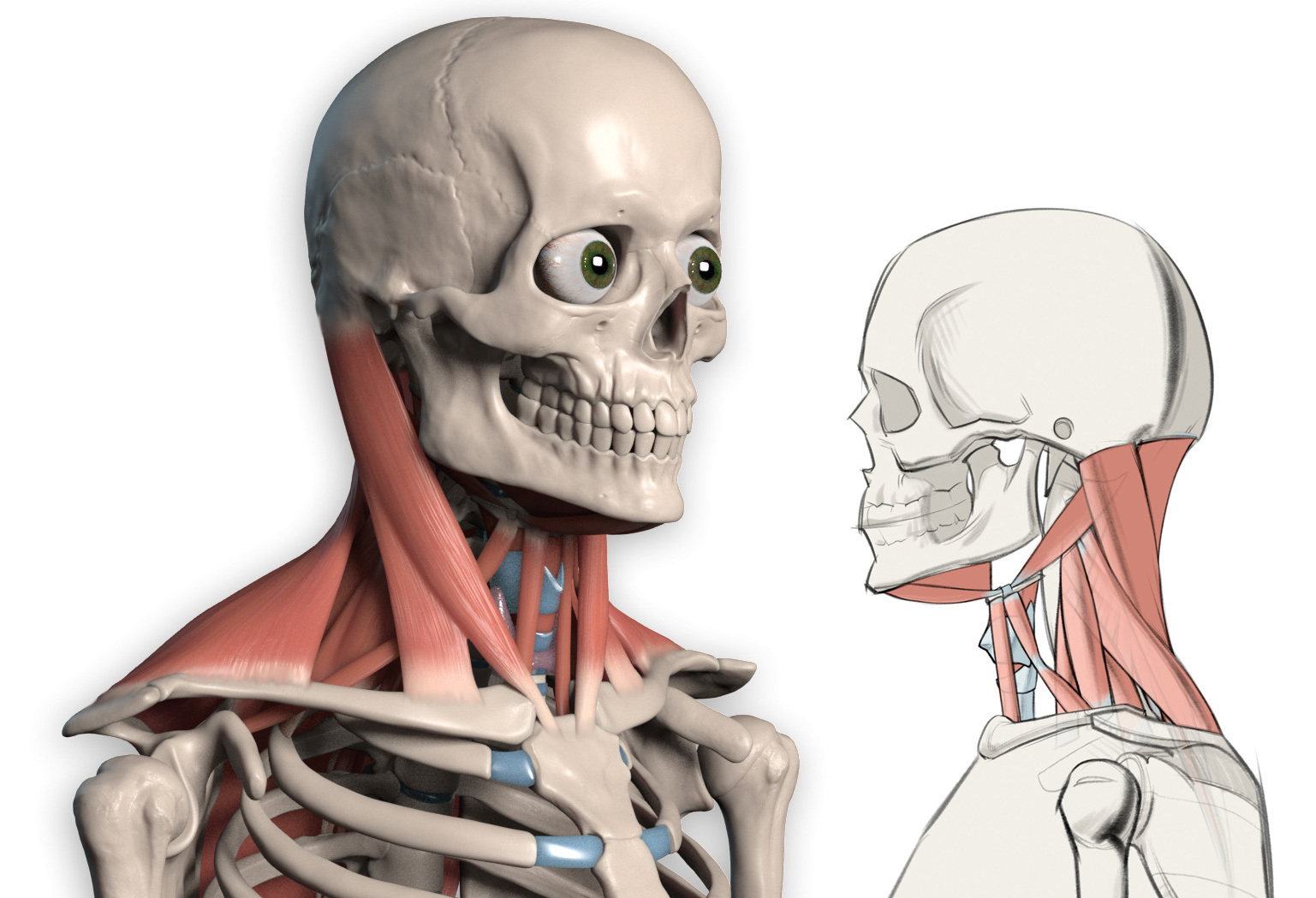
Information technology's easy to tell when an artist doesn't know the skeleton, even if yous're only looking at their fully fleshed figures. The muscles won't aim to the right place. The skeleton is complicated, simply there'due south much less variation in the forms of the skeleton than the forms of the muscles and torso fat. Knowing the skeleton makes information technology easier to construct the body, understand how it works, and put the muscles on top of it correctly. Have the time to acquire it and your drawings will do good for the rest of your career.
05. Review and correct
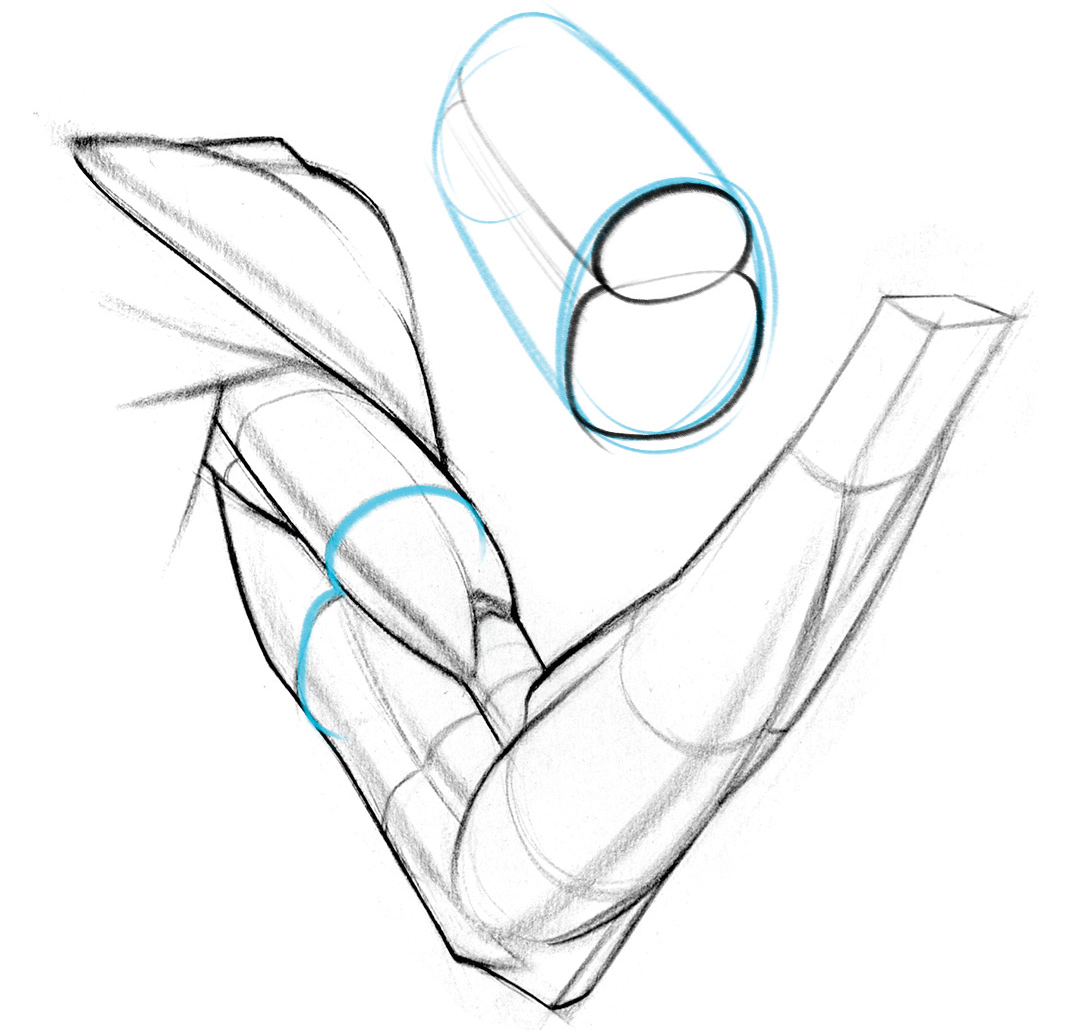
After you finish a drawing, take a critical await at it to see where you tin can meliorate. You can enquire a friend, mentor or online community for aid. Then, actually follow through on what you observe, and make corrections to your drawings. It'south non plenty for your eyes to run across what went wrong – your hands accept to fix it. You can practice this to yesterday's homework, or fifty-fifty drawings you fabricated months or years ago.
06. Don't only read near it
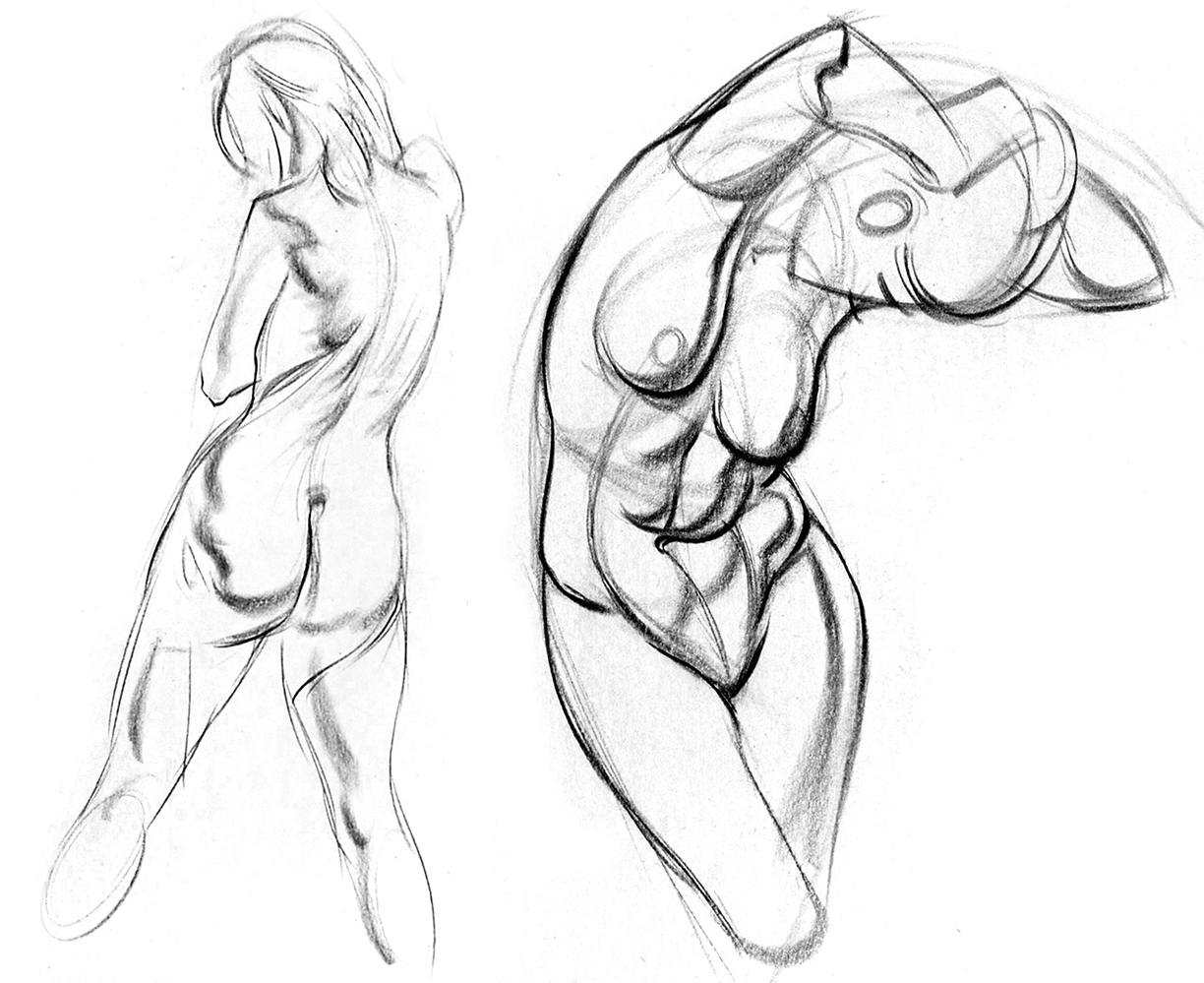
Reading or listening to an explanation of anatomy may be enough for you to intellectually understand it, simply that doesn't mean yous can draw it. We're artists. We take a bigger task to do than just empathize anatomy. You have to larn to depict information technology and then it's believable and interesting. And the only way to do that is to draw. Draw a lot!
07. Steer clear of snowmen
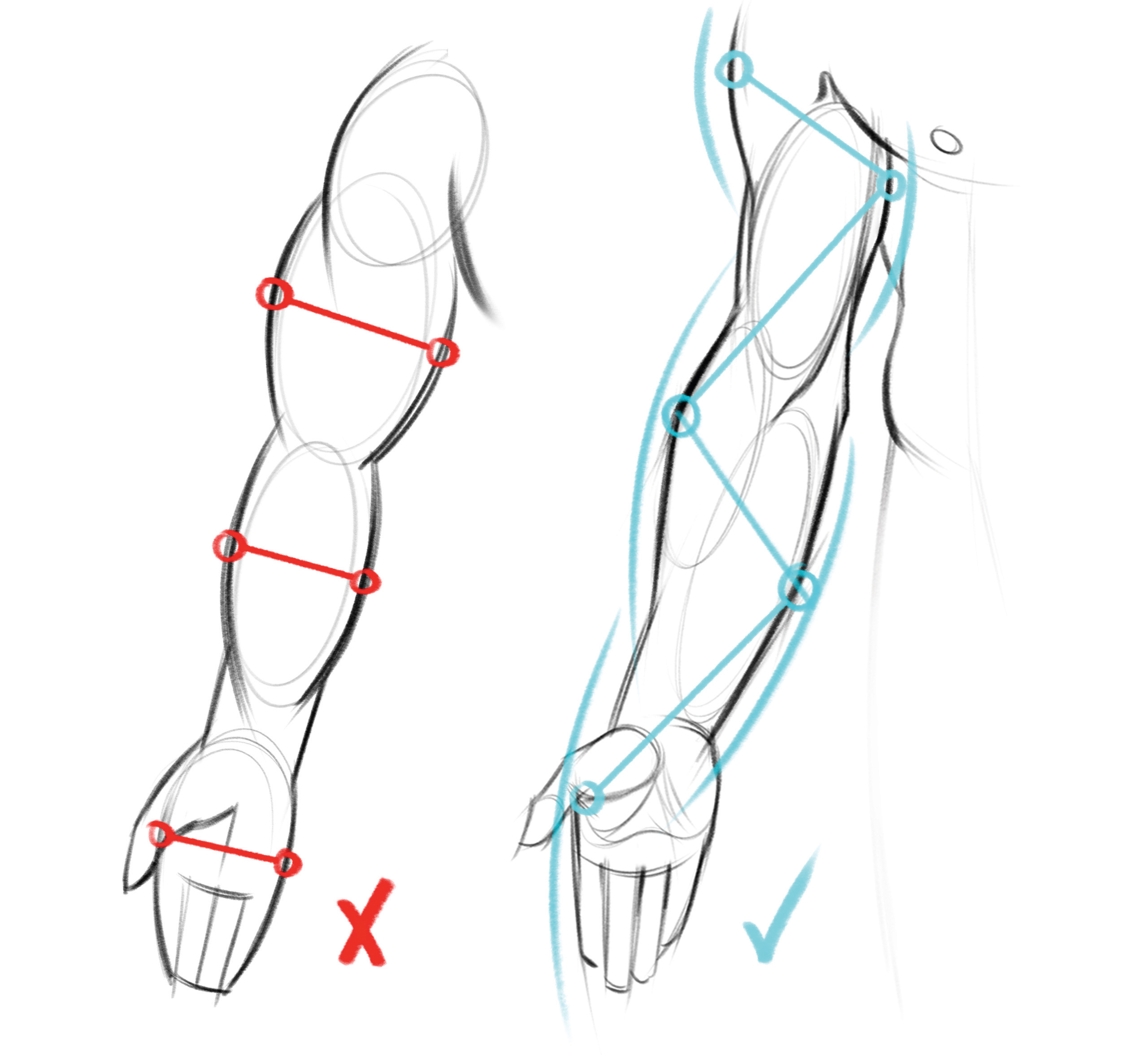
Don't draw symmetrical bulges everywhere. That makes your drawing look stiff and boring. The contours tend to zigzag down the body, creating a dynamic catamenia. Furthermore, muscles usually work in pairs: when one side flexes the other is resting.
08. Don't include every item
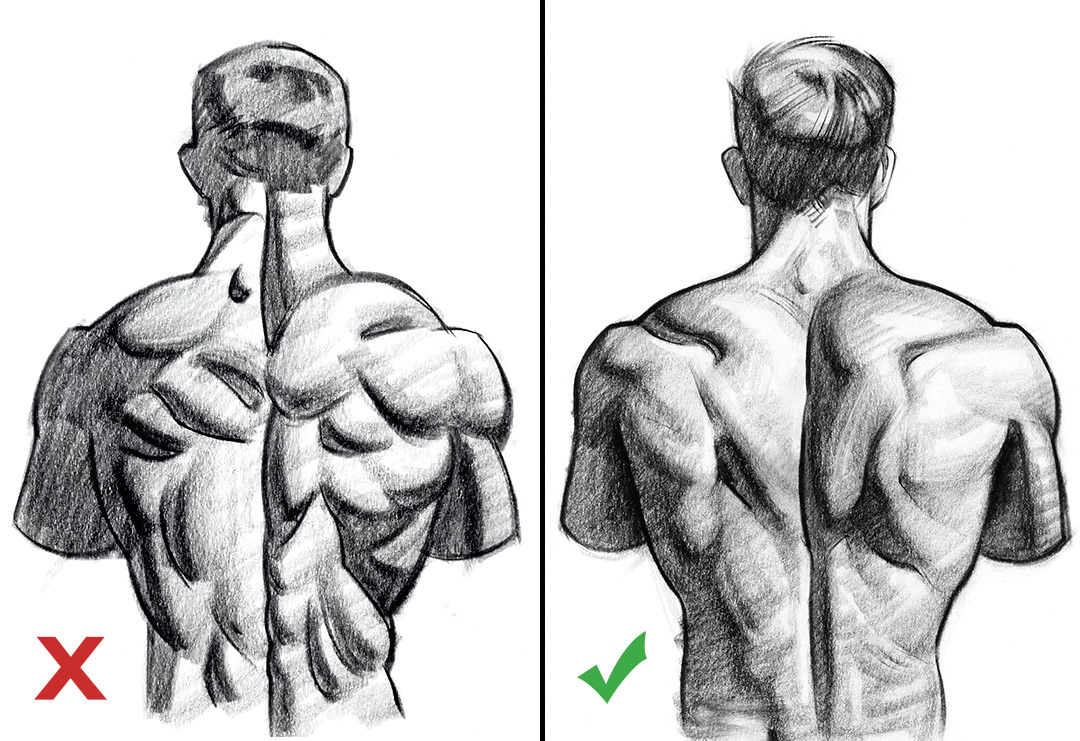
Remember: not every bone, tendon and musculus has to exist accented in every drawing. Indeed, anatomical details in the incorrect spots can make a cartoon look stiff and fake. Selection and cull details that support the overall picture show, and let those be plenty. In general, you'll probably choose details that are at or near the focal betoken, and that flow with the gesture or composition.
09. Exist patient
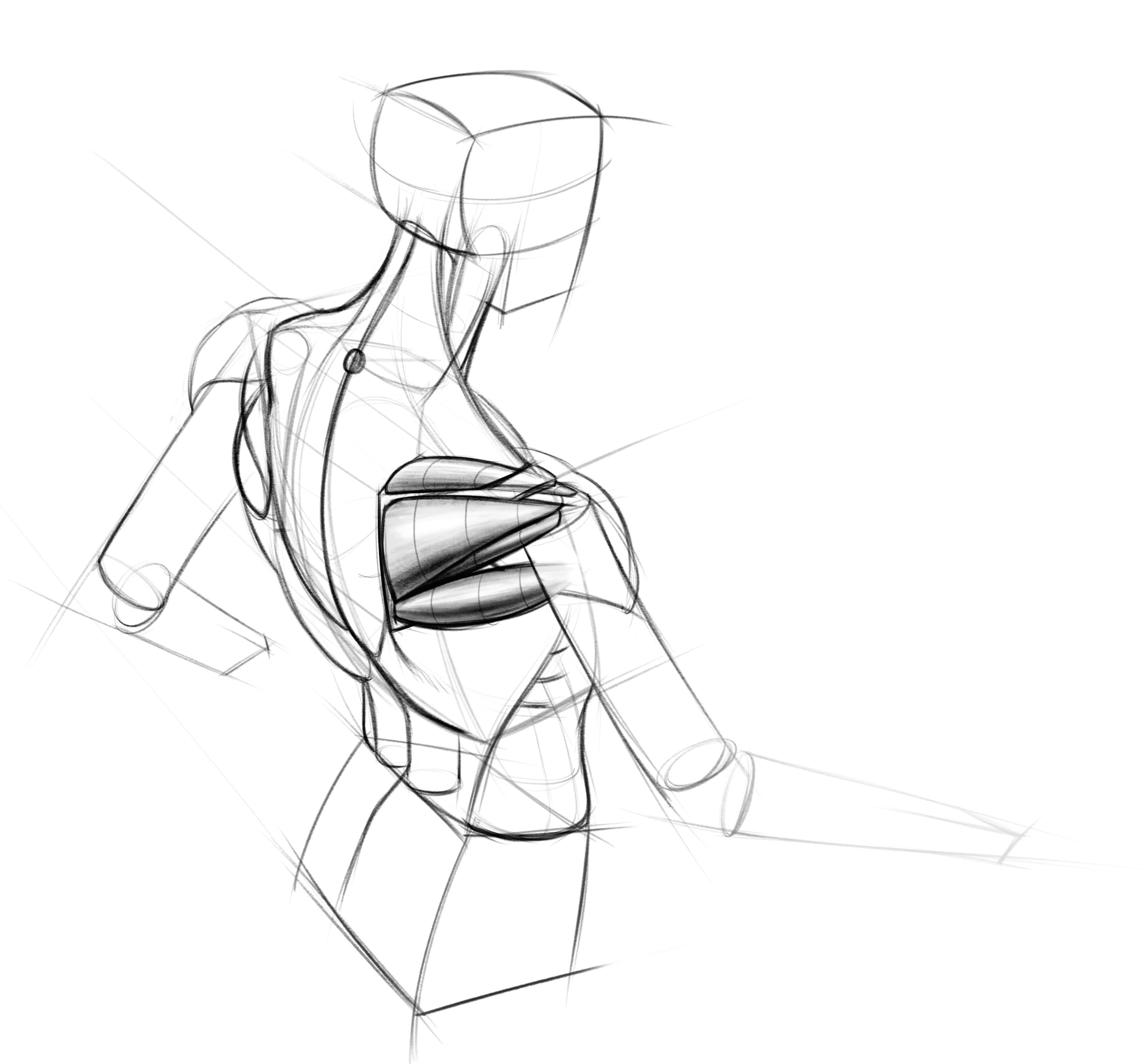
Learning anatomy is a slow process. Take your time on every cartoon and with every area of the body. Yous can't learn everything in your first pass. Yous'll accept to come back to review and add to your empathise of all the parts every few years for the rest of your career. Don't expect to be a master immediately. Never stop learning.
10. Be goal-oriented in your practice
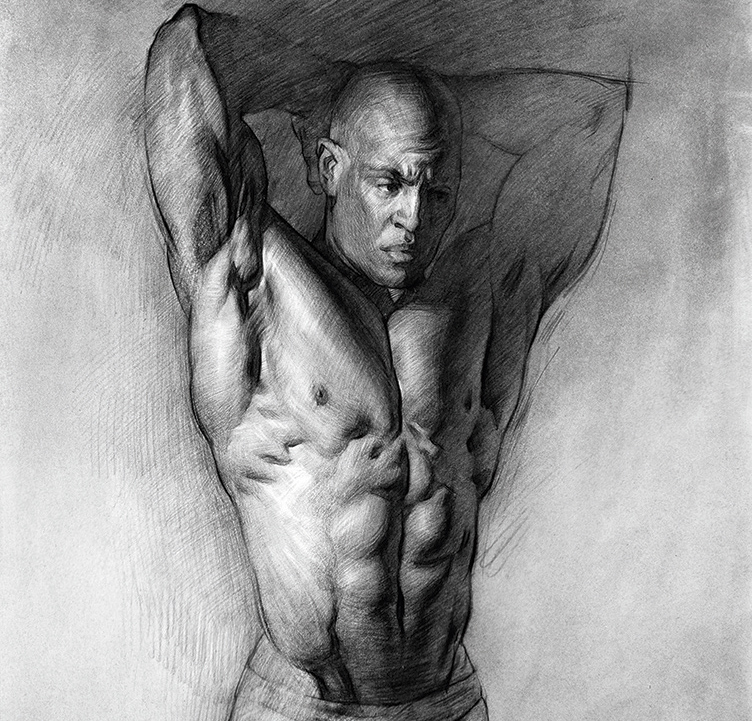
In that location's a lot to beefcake to report and lots of aspects of it to study. For example, if you're practising gesture, the beefcake needs context. Make the forms work with the pose and focus on making the beefcake dynamic. If you lot're studying form, use cross contour lines and shading to add dimension. Focus on amalgam the trunk parts using unproblematic forms and avoid organic forms you don't empathize. Pick a goal and focus on it. Make sure you're getting the almost out of your practise time.
11. Try dissimilar exercises
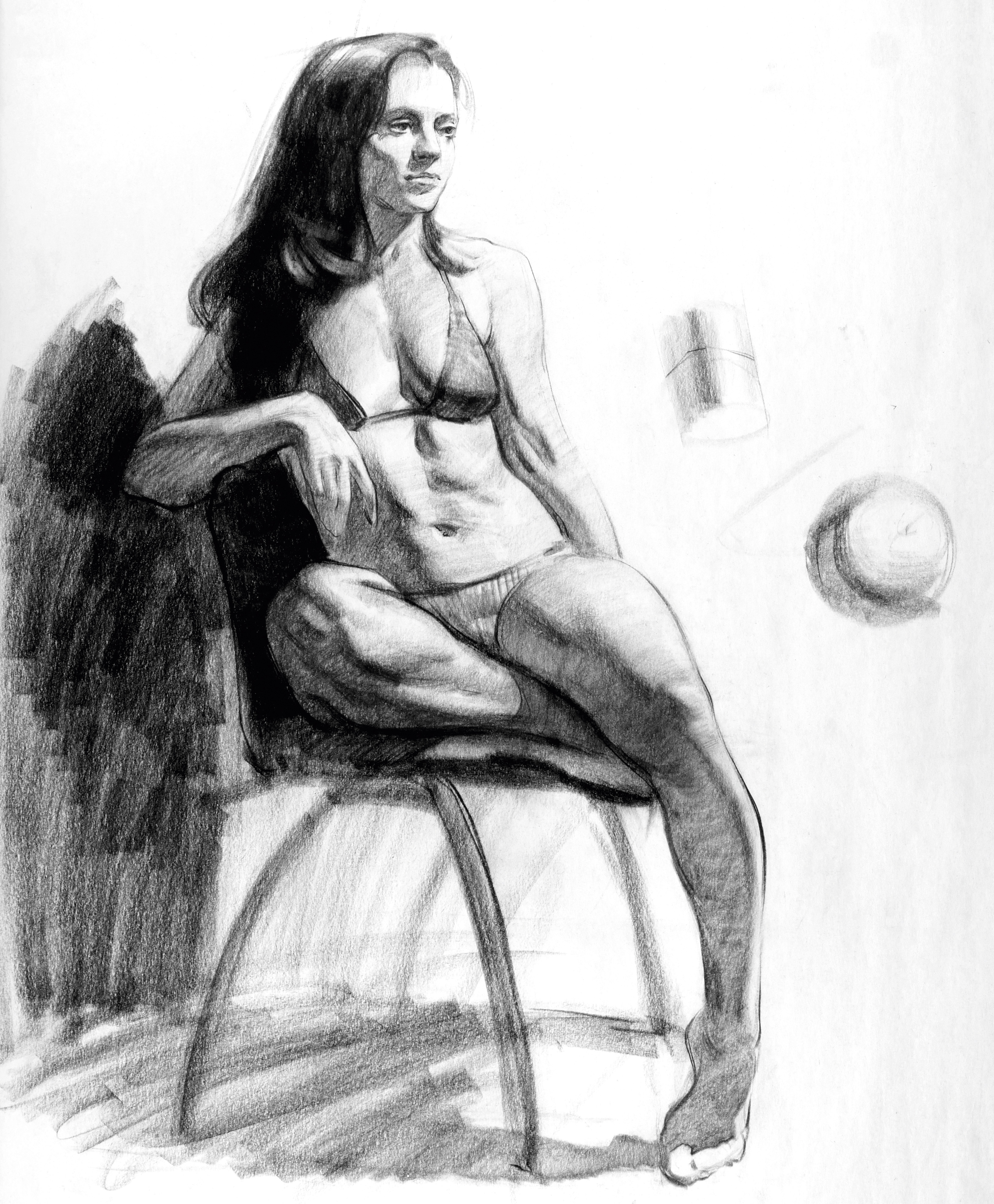
Anatomy tracings, drawing from life, drawing from photos, drawing from your imagination, drawing from other drawings (master copies), sculpture… Not only is this fun, just it helps your brain process information in unlike ways, and fills in gaps in your cognition.
12. Get to grips with the language
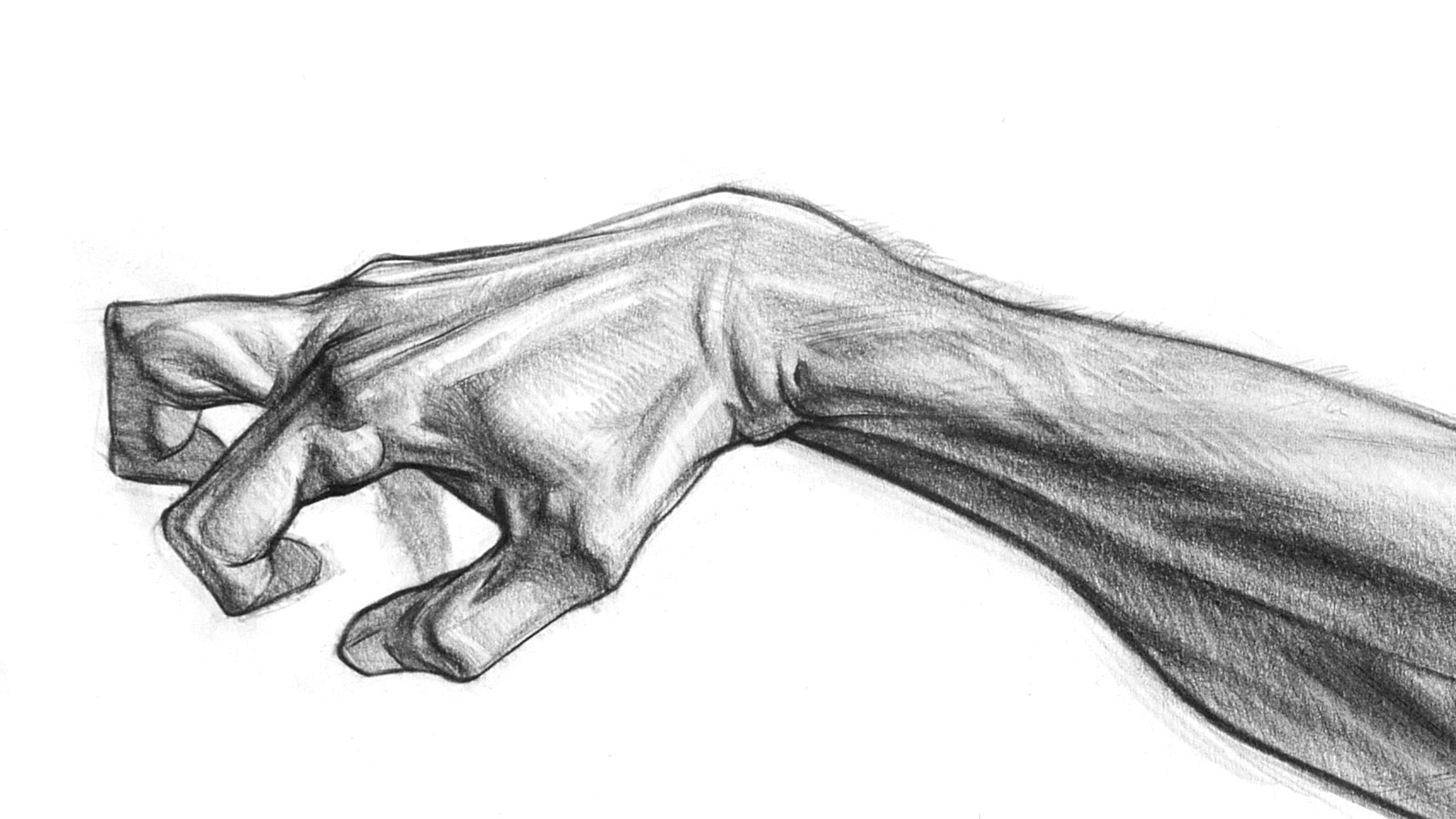
There'southward lots of memorisation with anatomy, and it can be overwhelming if you're hearing all these terms for the commencement time. Terms like medial and lateral, abduction and adduction, origin and insertion, subcutaneous and so on. Consider making flashcards or other old-school written report methods to assistance memorise the majority of the terminology babble.
When you tin speak most anatomy fluently, you can remember about beefcake fluently, which means you're going to have an easier fourth dimension when you lot're drawing. This is the to the lowest degree important role of anatomy for artists, merely it certain is helpful. You'll experience a lot better when y'all know the terms. And of course, y'all'll leave your swain spellers in the grit on Scrabble nights!
This article was originally published in ImagineFX, the world's best-selling magazine for digital artists. Subscribe now .
Read more than:
- How to depict hands
- Create more interesting skin tones with acrylics
- Art techniques: elevation tutorials for painting and drawing
Related articles

Source: https://www.creativebloq.com/advice/best-practice-advice-for-capturing-human-anatomy
Posted by: leehure1986.blogspot.com
0 Response to "How To Learn To Draw Anatomy"
Post a Comment